

AURELiA Kick-off Meeting · 11 June 2026 · SITEC Lab, Milan Read more →
Fondazione ICO Falck & Fondazione Politecnico di Milano

Repairing Europe's Steel Bridges with 3D Printing

AURELiA develops automated WAAM-based repair for end-of-life steel railway bridges — extending their service life by 25–50 years while cutting costs and CO₂ emissions by at least 30%.

Discover the Project ↓
Scroll
300K
EU Railway Bridges at Risk
36
Months Duration
3
Institutions
TRL 3 → 5
Readiness Target

Repair, Don't Replace

Around 300,000 European railway bridges are reaching their design life limit. The European Green Deal aims to shift 75% of freight to rail by 2050 — but complete bridge replacement is unsustainable: extreme costs, enormous environmental impact, and prolonged traffic interruptions.

AURELiA proposes an alternative: automated robotic repair using Wire Arc Additive Manufacturing (WAAM), depositing metal directly onto damaged areas without manual intervention — the first integration of automated WAAM, digital twin and virtual commissioning for steel railway bridge repair.

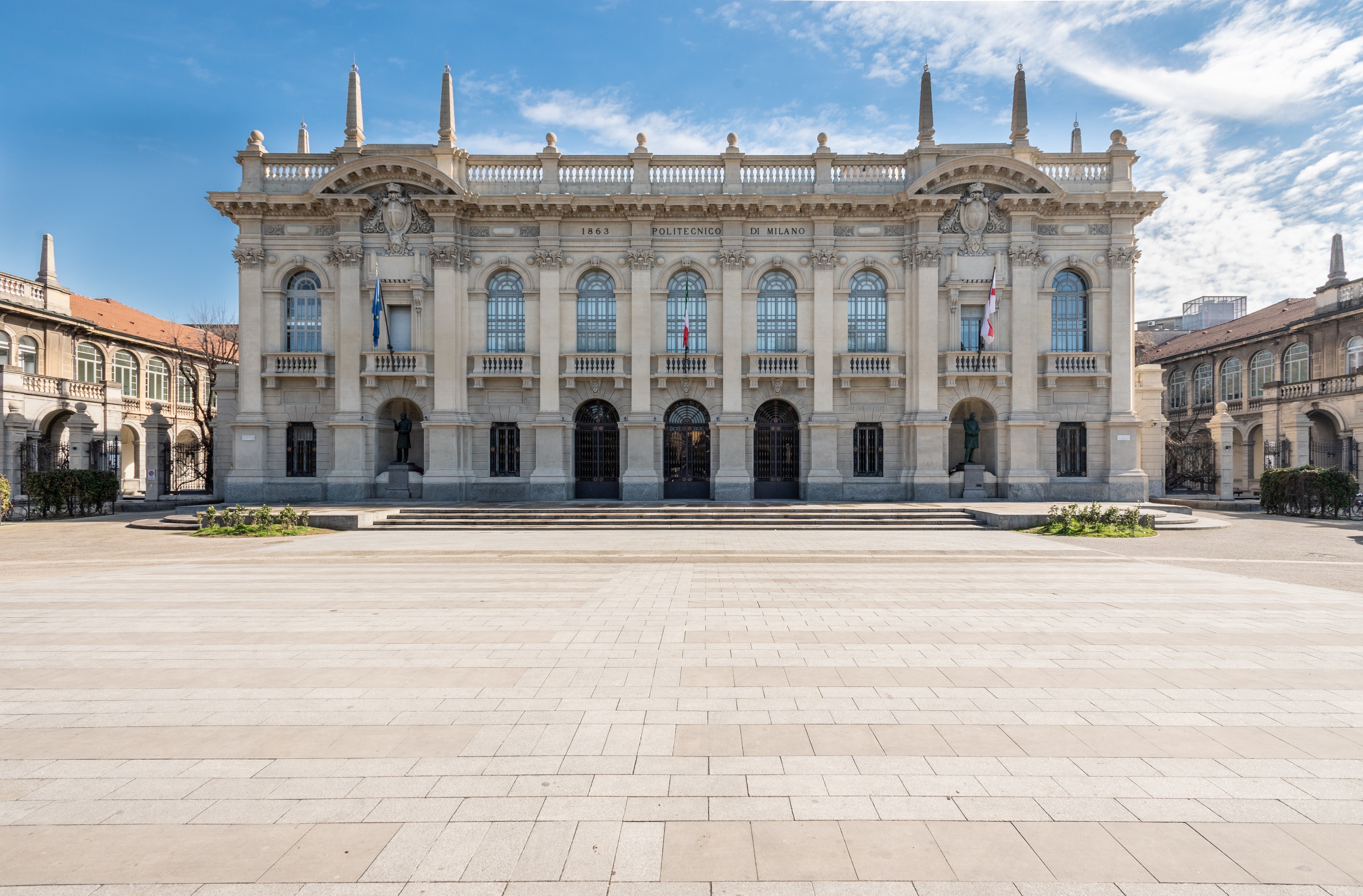
Politecnico di Milano

The Project in 3 Minutes

Discover how AURELiA repairs steel railway bridges with robotic Wire Arc Additive Manufacturing.

What We Aim To Achieve

01

Restore Structural Performance

Recover within 90% of as-new capacity on repaired steel bridge components using robotic WAAM deposition.

02

Extend Service Life

Add 25–50 years of operational life to end-of-life steel railway bridges, avoiding full replacement.

03

Automate the Process

Achieve >90% automation of the repair workflow, eliminating dependence on manual operator skills.

04

Cut Costs & Emissions

Reduce lifecycle costs and CO₂ emissions by at least 30% compared to full bridge replacement.

05

Digital Twin & Virtual Commissioning

Develop calibrated FEM models and virtual commissioning validated against real experimental data.

06

Increase Worker Safety

Remove humans from hazardous manual welding environments through fully robotic intervention.

5 WPs, 13 Tasks, 36 Months

WP1

Damage Repair Concept Development

Analysis of typical steel bridge defects, case study selection, definition of WAAM process parameters (material, deposition geometry, process settings).

WP2

Damage Repair Manufacturing

Experimental repair campaigns on specimens and real components (IPE/HEA beams + plates), mechanical characterisation, robotic process optimisation.

WP3

Structural Analysis & Virtual Modeling

Digital twin development, pre/post-repair FEM simulation, virtual commissioning on a real case study, model validation with WP2 experimental data.

WP4

Communication & Dissemination

Scientific publications, open-access operational guidelines, stakeholder dissemination, contribution to future EN/Eurocode standardisation.

WP5

Project Management

Overall coordination, Fondazione Falck reporting, TUM partner management, milestone and budget monitoring.

Multidisciplinary Expertise

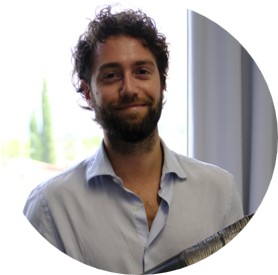
Alessandro Menghini

Alessandro Menghini

Principal Investigator
Politecnico di Milano — DABC
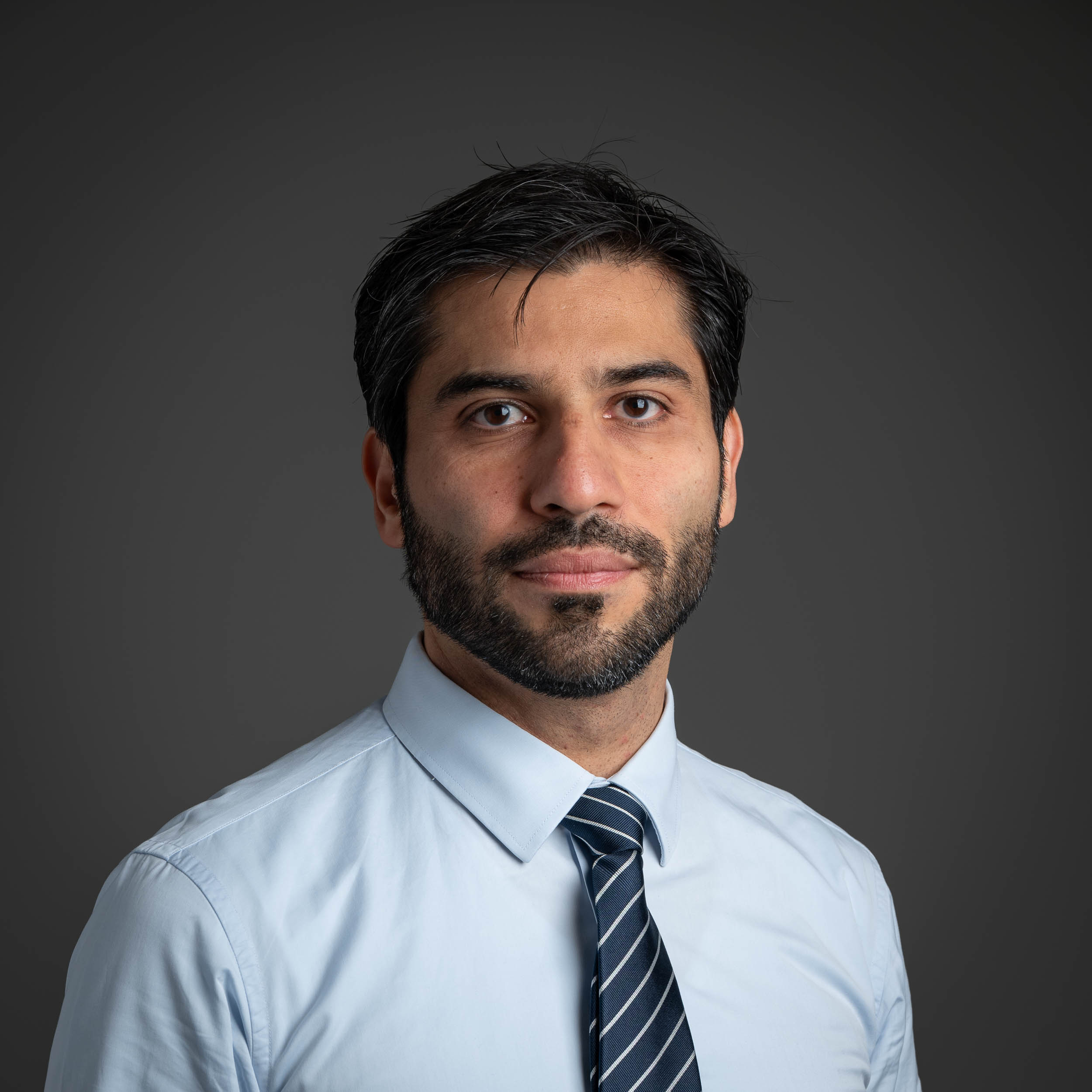
Alper Kanyilmaz

Alper Kanyilmaz

Mentor
Politecnico di Milano — DABC
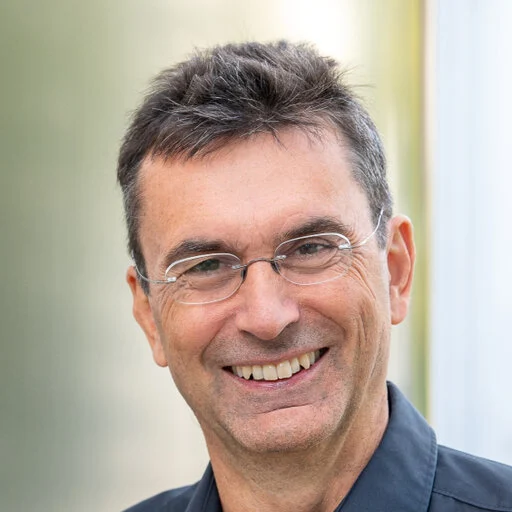
Martin Mensinger

Martin Mensinger

Collaborator
Technical University of Munich
Barbara Previtali

Barbara Previtali

Collaborator
Politecnico di Milano — DMEC / SITEC Lab

Research Partners

Politecnico di Milano

Department of Architecture, Built Environment and Construction Engineering (DABC) & Department of Mechanical Engineering (DMEC)
🇮🇹 Italy

Technical University of Munich

Chair of Metal Structures — structural engineering and steel bridge expertise
🇩🇪 Germany

SITEC Lab

Politecnico di Milano — Systems and Technologies for Integrated Welding and Joining Processes
🇮🇹 Italy

Why It Matters

≥30%
CO₂ Reduction vs Replacement
50
Years Life Extension (up to)
>90%
Process Automation
7%
% of Global GHG from Steel

Supported By

Fondazione ICO Falck

Fondazione ICO Falck

Scholarship for young researchers in engineering and innovation

Fondazione Politecnico di Milano

Fondazione Politecnico di Milano

Bridging academic research and industrial application

Two Projects, One Vision

AURELiA and BriBotic are independent but deeply complementary research initiatives, together delivering the full pipeline for autonomous steel bridge repair.

This Project

AURELiA

Fondazione ICO Falck & Fondazione Politecnico di Milano

WAAM repair process development, digital twin and virtual commissioning — validating the repair technology from lab specimens to structural demonstrators.

Synergy
+
Integrated
Partner Project

BriBotic

EU RFCS — 11 Partners, 6 Countries

Mobile robotic platform that autonomously navigates to damaged bridge locations and executes repair in the field — using WAAM, Laser DED, and Cold Spray.

Visit BriBotic →

AURELiA develops and validates the repair process. BriBotic brings the robot to the bridge. Together, they close the loop from laboratory research to field-ready autonomous repair of Europe's ageing steel railway infrastructure.

Latest Updates

11 June 2026

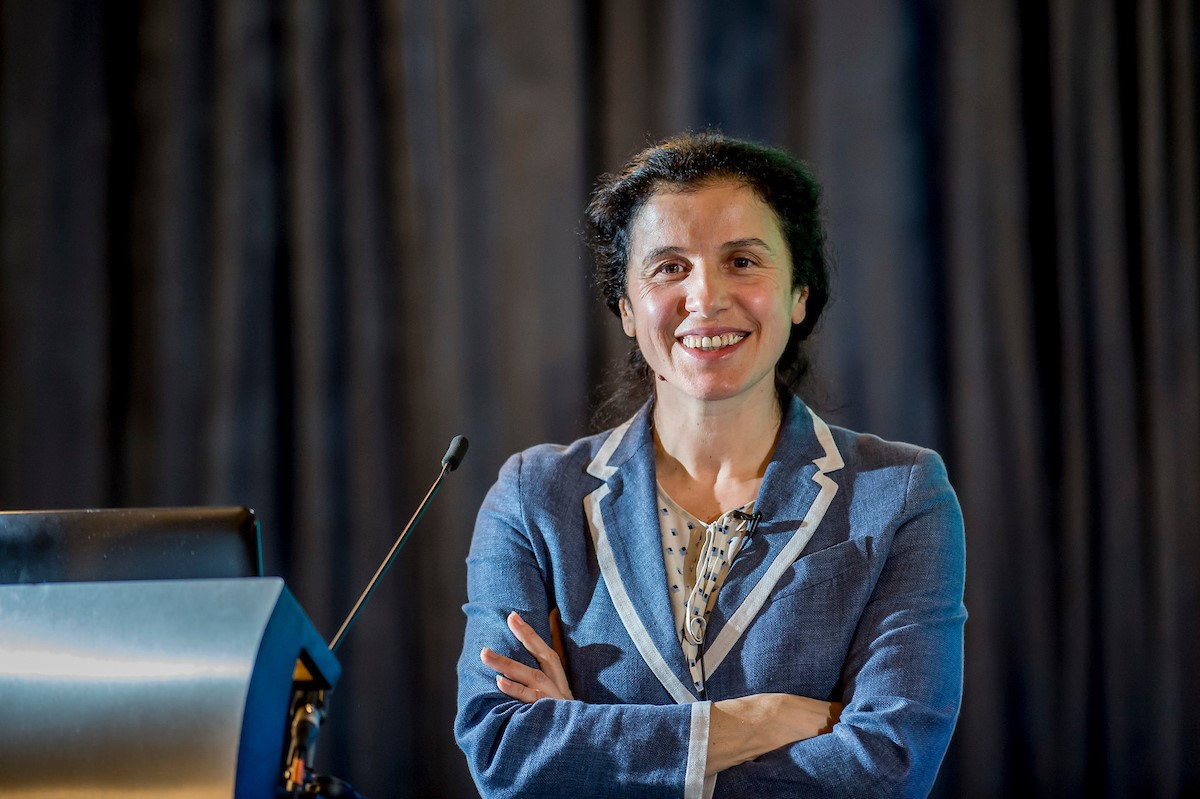
AURELiA Kick-off Meeting

The project officially launched on 1 June 2026. The kick-off meeting was held at the SITEC Laboratory (Politecnico di Milano, Department of Mechanical Engineering), featuring a tour of the facility and a live demonstration of robotic additive deposition, followed by the presentation of the project objectives, work plan and next steps.

SITEC Lab — Building B23, Milan · In collaboration with SITEC, Fondazione ICO Falck & Fondazione Politecnico di Milano

Get in Touch

Principal InvestigatorAlessandro Menghini
MentorProf. Alper Kanyilmaz
InstitutionPolitecnico di Milano — DABC
LocationMilan, Italy

Contact the Project

Please email the project coordinator. This link opens your email application; no message is sent or stored by this website.

Open Email Application